
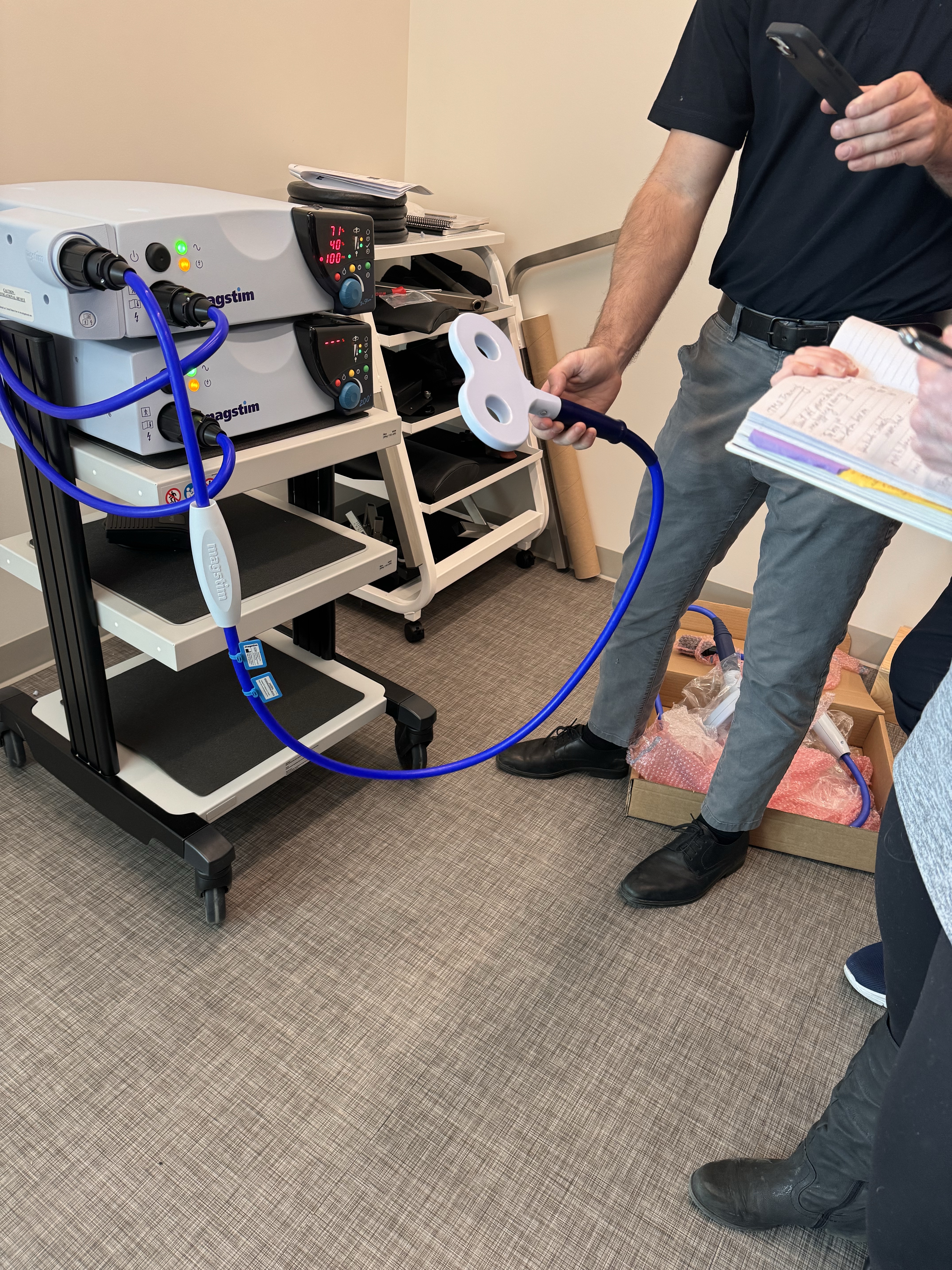
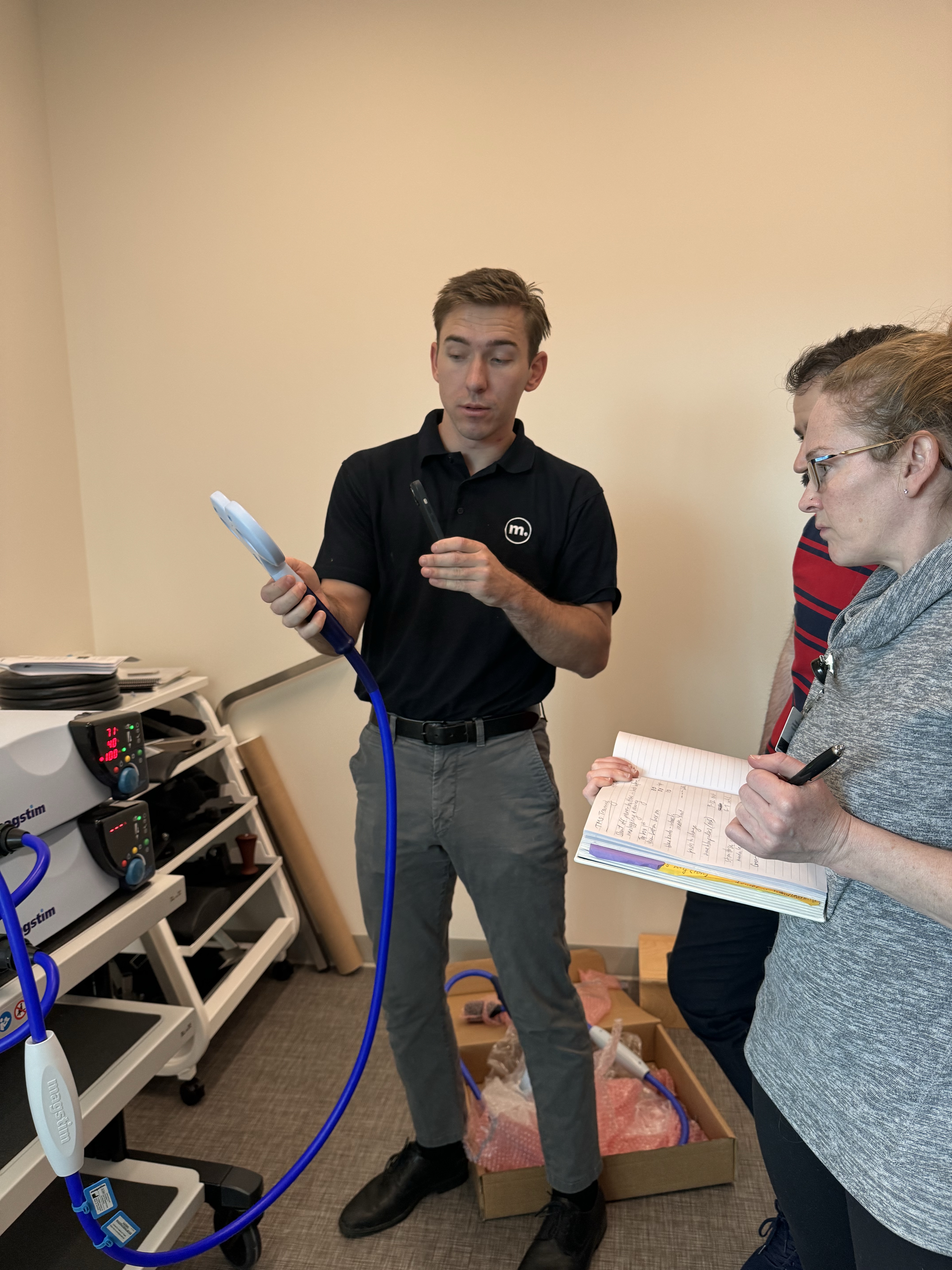
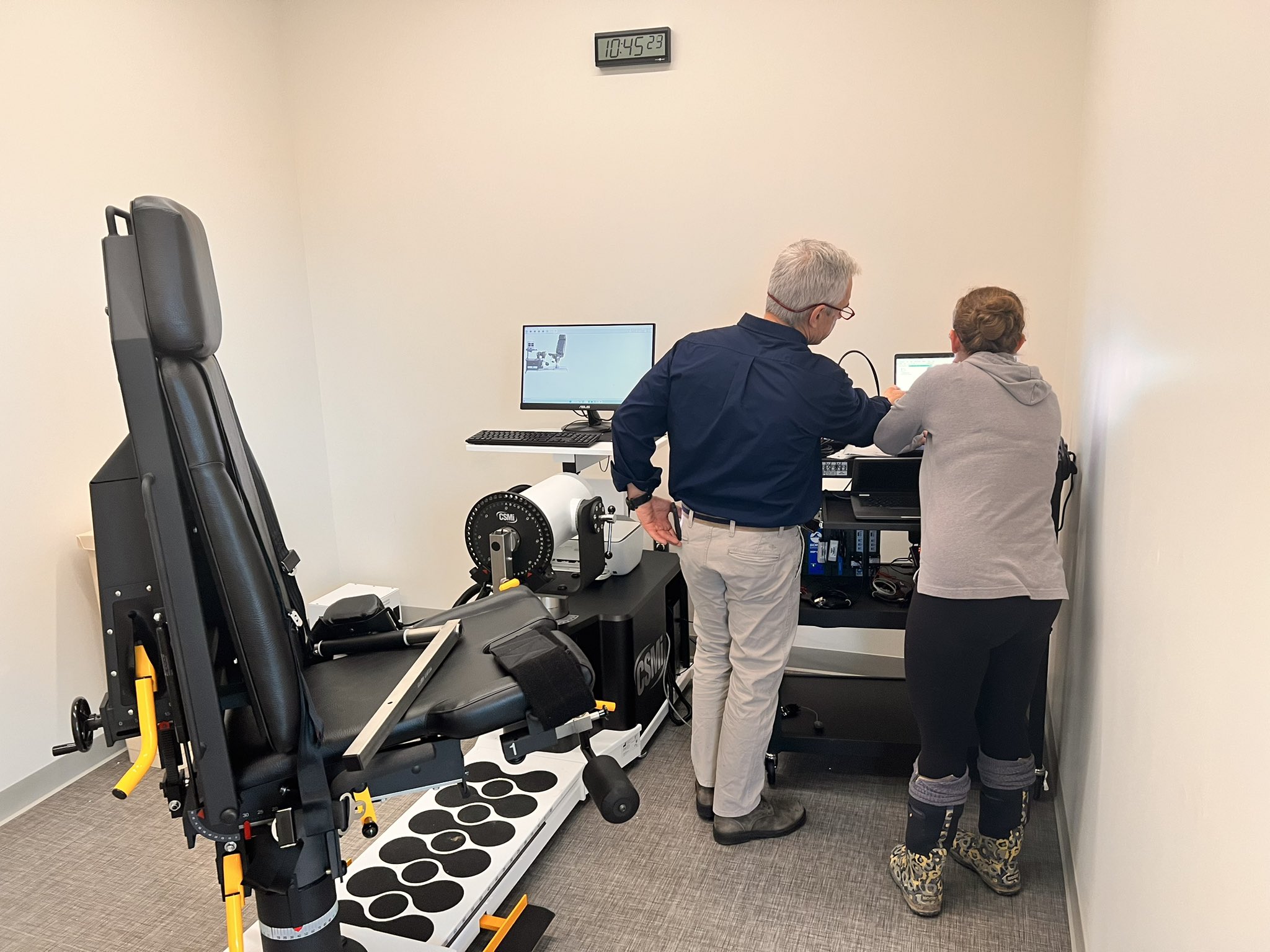
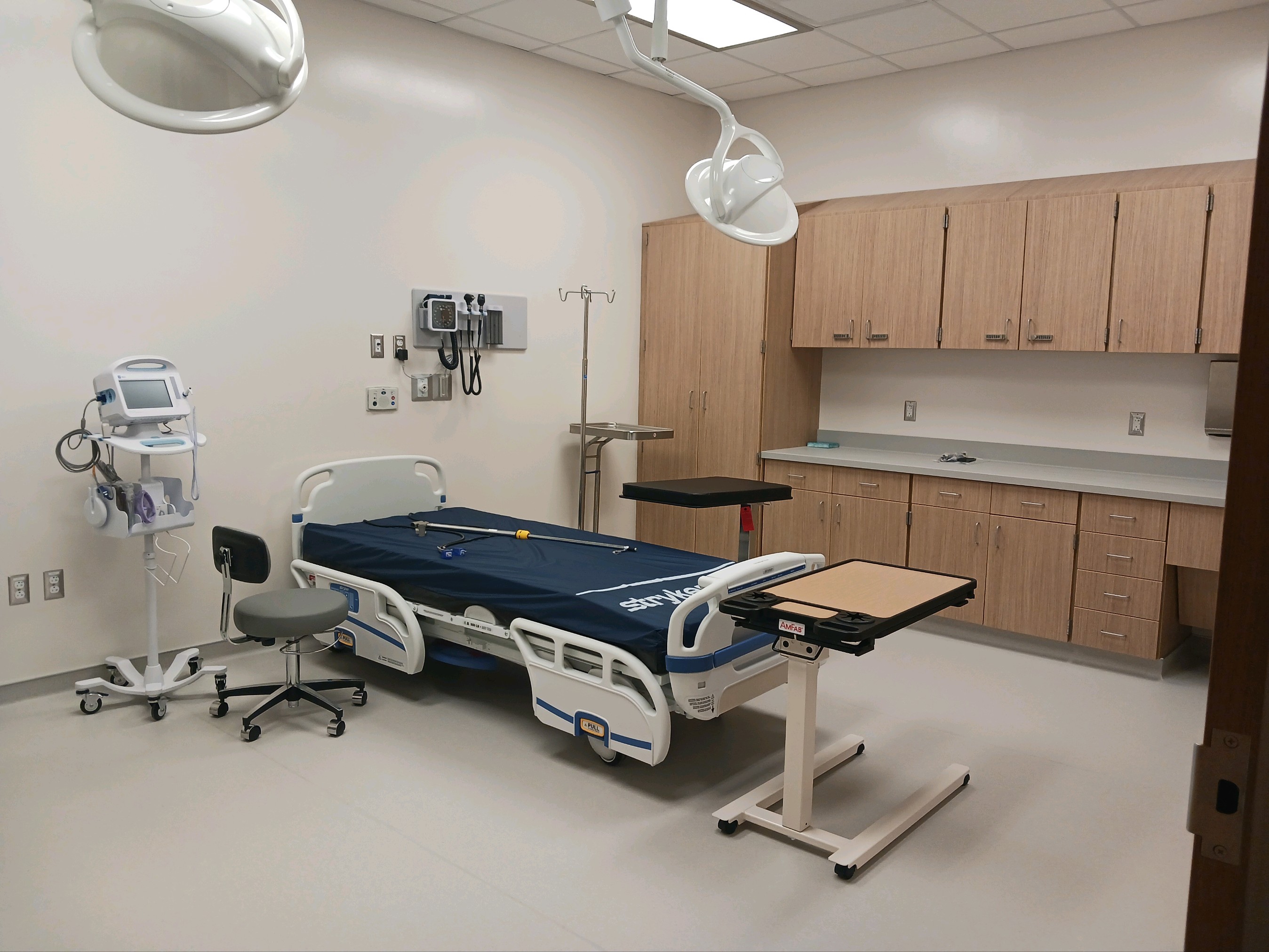
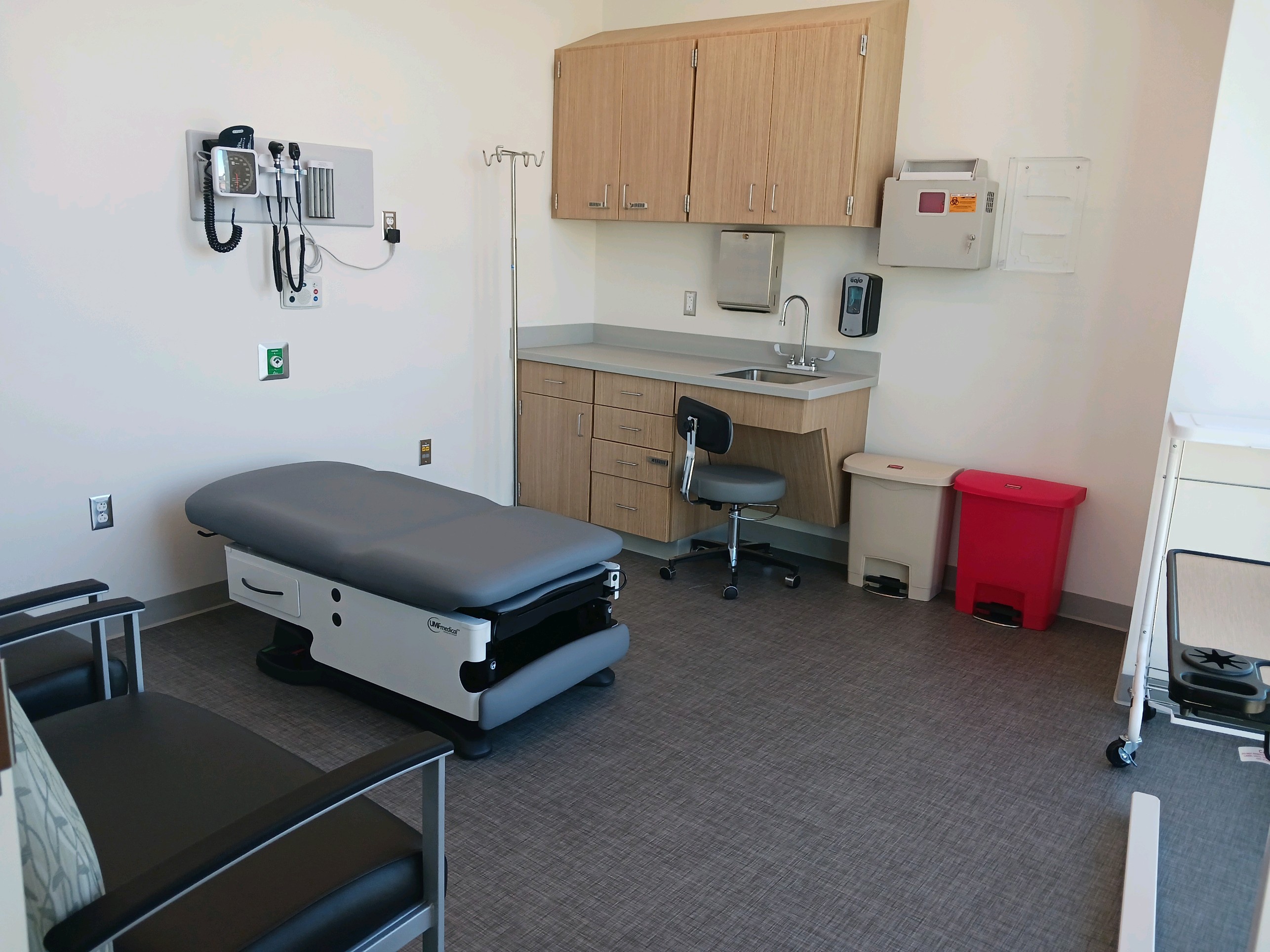
Clinical- Transcranial Magnetic Stimulation (TMS) Installation-CTSU-NextGen Precision Health
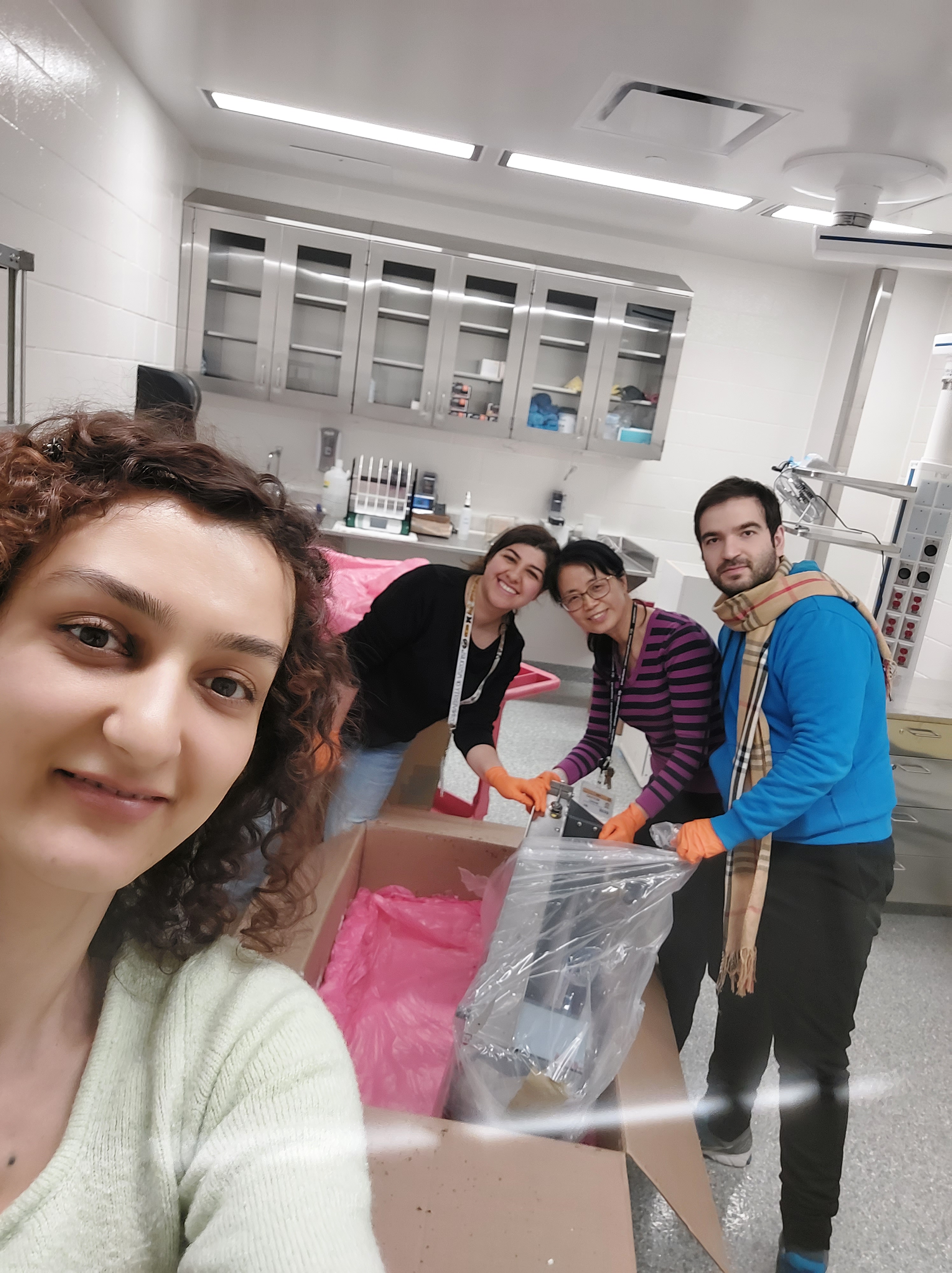
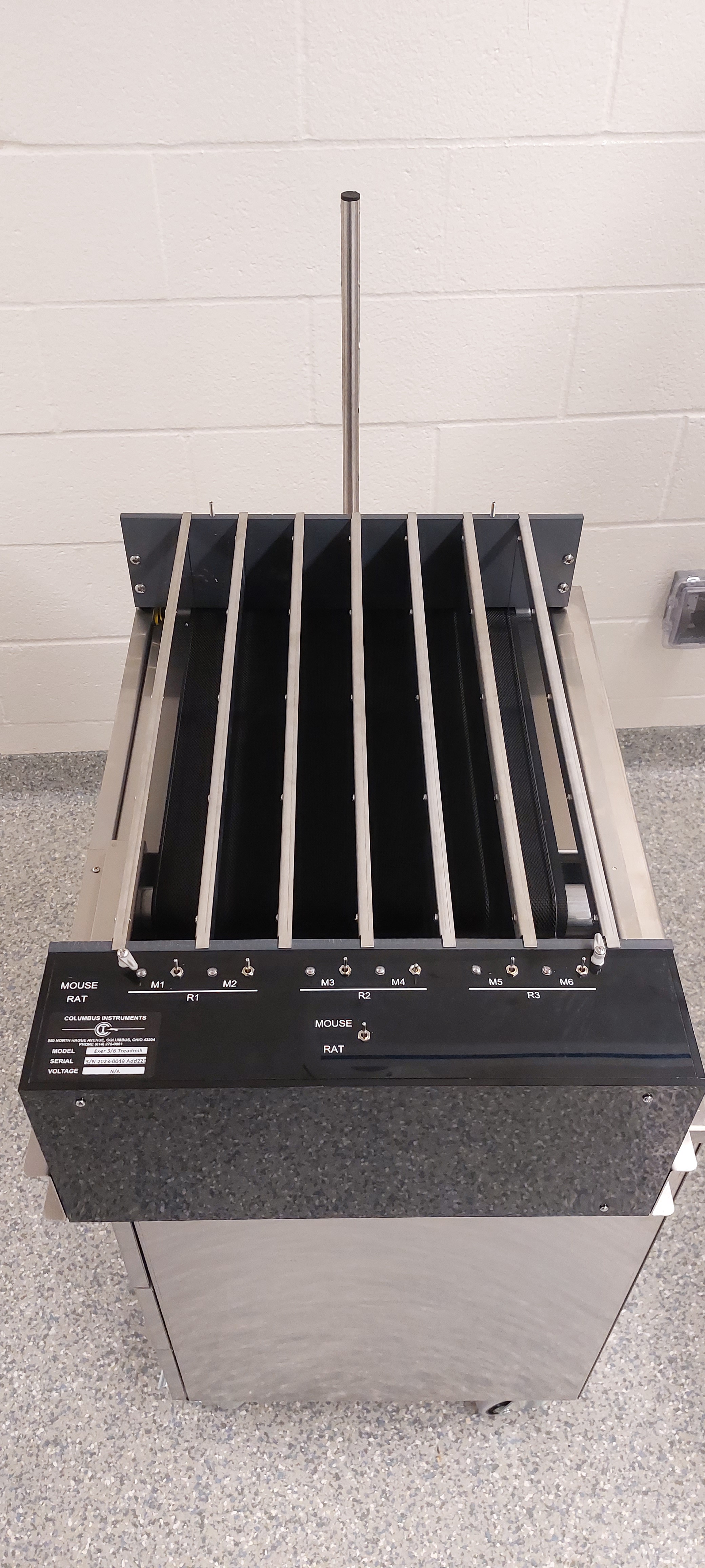
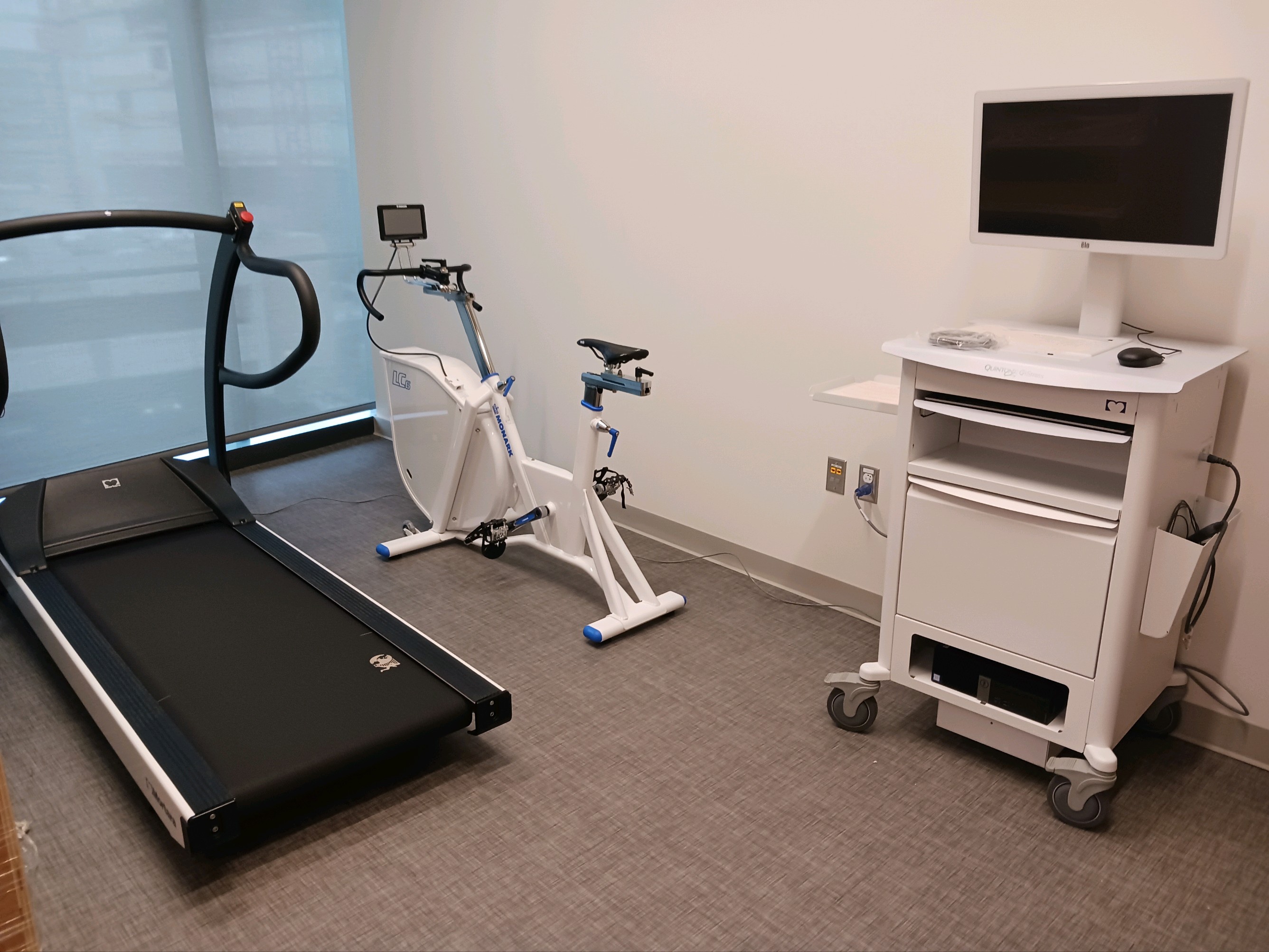
Preclinical- rodent Treadmill setup
Developing in vivo measures of motor unit connectivity and muscle contractility for assessment of animal models
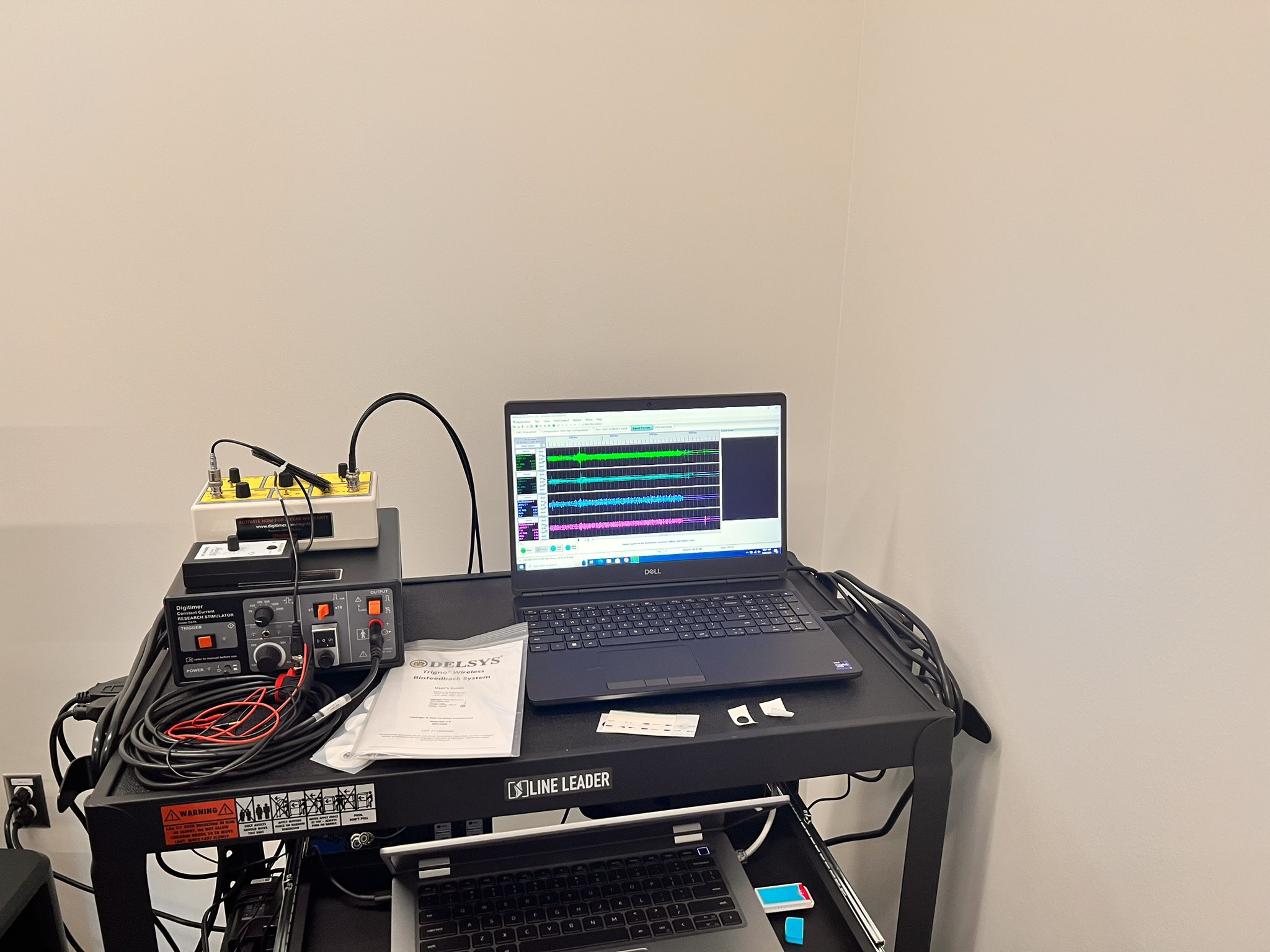
Over the last few years, the lab has developed and refined in vivo assays of neuromuscular function. We have refined techniques for assessing motor unit connectivity including compound muscle action potential and motor unit number estimates in neonatal to elderly mice. We have investigated these measures and their responsiveness to genetic manipulation and therapeutic testing in spinal muscular atrophy, hereditary neuropathy, autoimmune neuropathy, hereditary spastic paraparesis, and aging.
Motor neuron degeneration and repair in age-related loss of physical function and peripheral nerve injury
Muscle function is modulated by the central nervous system (CNS) via the number and the firing rates of motor units during a muscular contraction. The motor unit, comprised of a motor neuron and all of the muscle fibers it innervates, is the smallest functional unit of the neuromuscular system. As a non-dividing and non-replaceable cell population, we are interested in understanding the role of motor neuron degeneration in loss of physical function in older adults. We recently showed that loss of muscle size and function are closely related to motor unit number in aged mice. We are currently exploring degenerative and compensatory mechanisms of motor unit loss and repair as well as potential therapeutics to reduce the burden of sarcopenia and peripheral nerve injury on society.
Developing biomarkers of neural and motor function in patients with neuromuscular disorders and during aging.
 The Arnold Lab